
Video Conferencing for Business Collaboration
Bring employees, customers, and business partners together when they cannot be in the same room. M-Tech Digital provides Video Conferencing as part of a broader portfolio of business communications solutions for organizations nationwide.
Whether your team works from different locations, meets remotely with customers, or needs another way to collaborate, video conferencing can add face-to-face communication to your business technology environment.
What Is Business Video Conferencing?
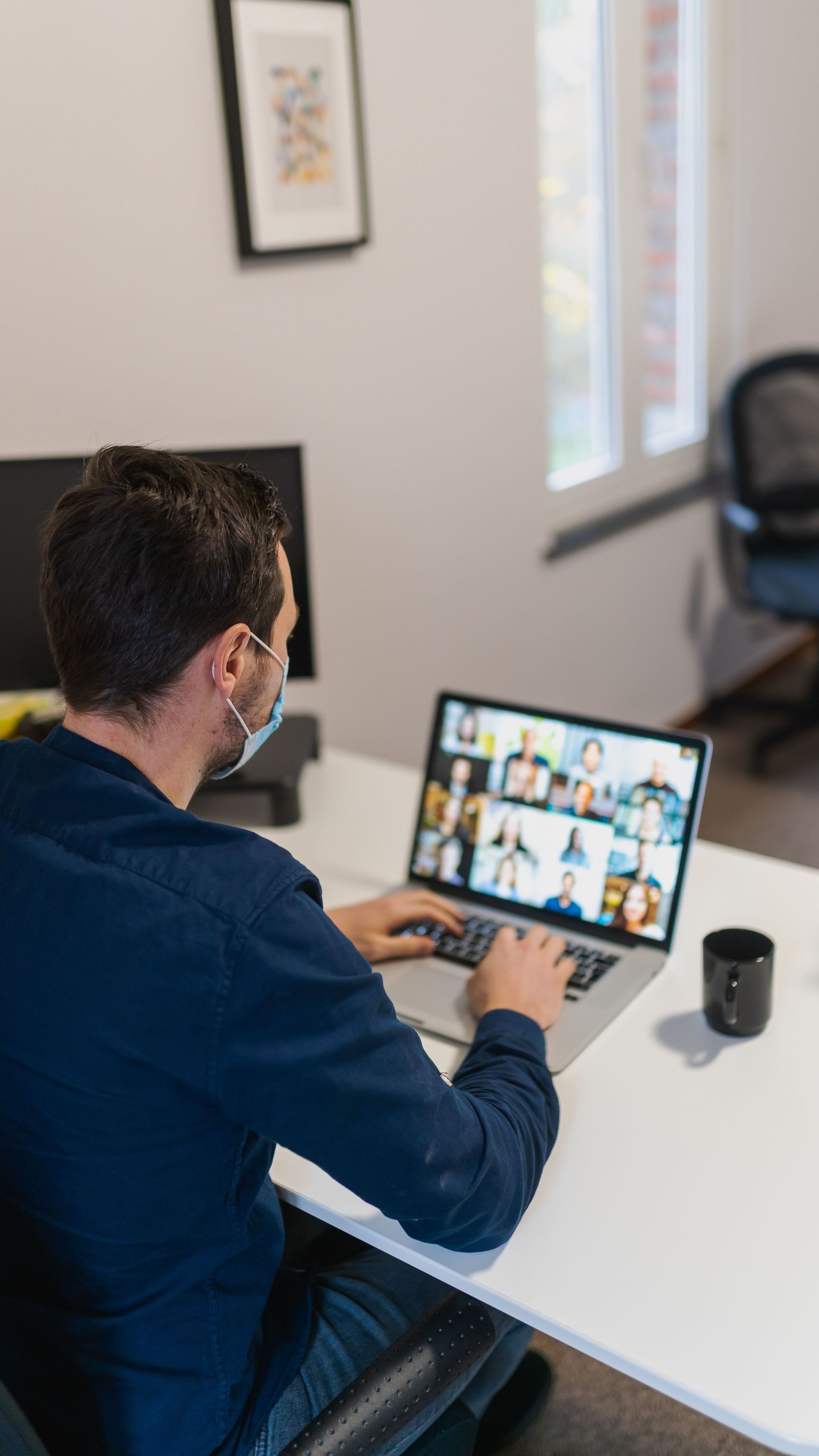
Business video conferencing allows people in different locations to participate in the same meeting using video and audio communications.
For organizations, the value is not simply being able to see another participant. Video meetings can provide another communication option when an in-person meeting is impractical and a traditional phone call does not provide the desired experience.
Businesses may use video conferencing for internal discussions, customer meetings, project collaboration, consultations, or conversations with outside partners.
The right approach depends on who needs to participate, how frequently your organization holds remote meetings, and how conferencing fits alongside your other communication channels.
When Does Video Conferencing Make Sense?
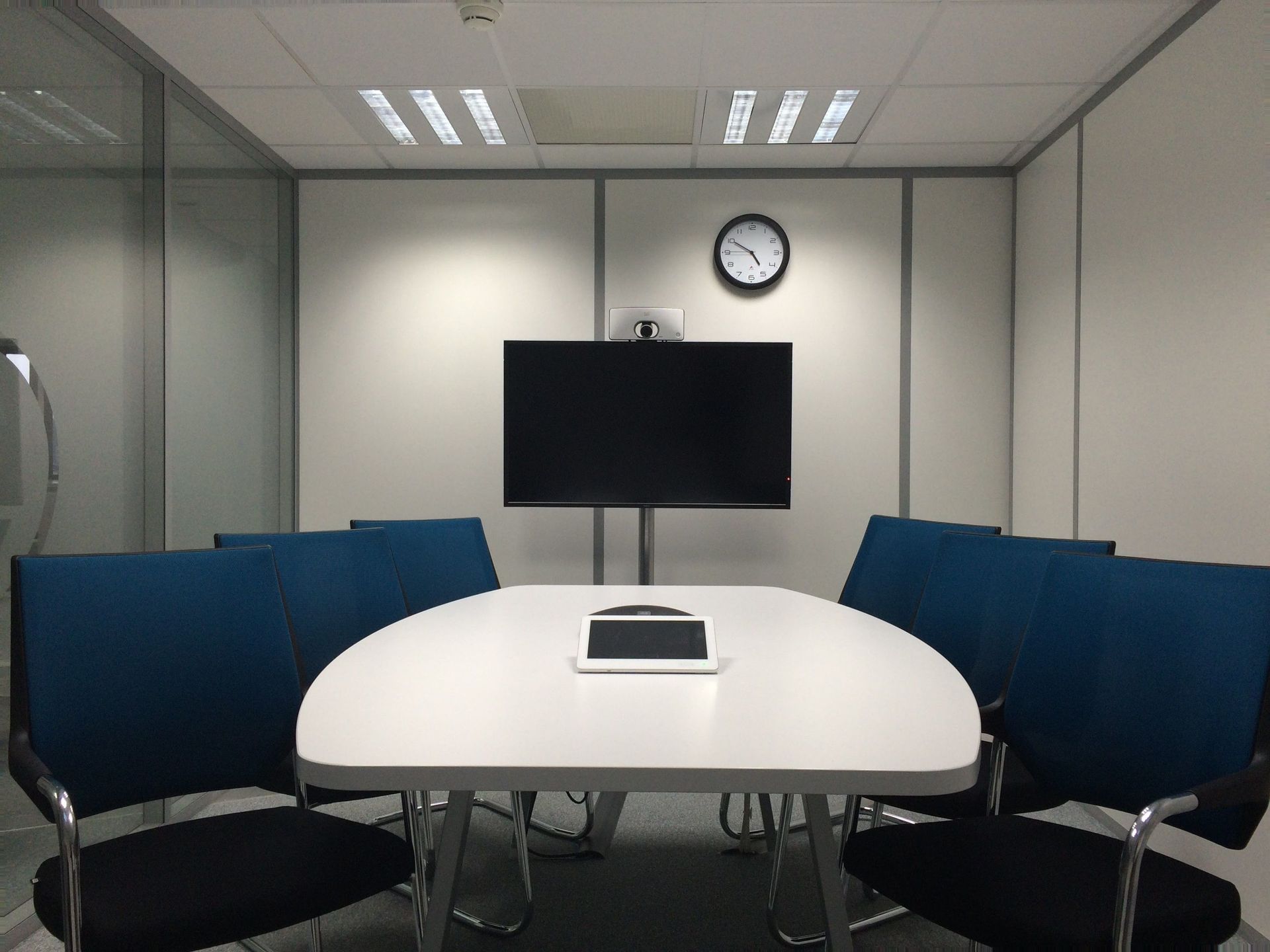
Not every business interaction needs a video meeting. Choosing the right channel for the conversation can help teams communicate more effectively.
Video conferencing may be useful when:
- Employees are working from different locations
- Teams need scheduled remote meetings
- Customers or partners cannot meet in person
- A conversation benefits from visual interaction
- Multiple participants need to join the same discussion
- Organizations want another collaboration option beyond voice calls
- Remote participants need to remain involved in team discussions
A quick question may be better handled by a phone call or text message. A more involved discussion may benefit from video.
Supporting Distributed and Remote Teams
Employees do not always work from one physical location. Some organizations operate across multiple locations, while individual employees may need to communicate with colleagues when they are away from a shared workplace.
Video conferencing gives distributed teams another way to maintain direct communication.
Teams can use video meetings for planning discussions, project updates, internal collaboration, or other conversations where participants benefit from meeting together.
The technology is only part of the process. Businesses should also consider how meetings are scheduled, who needs to attend, and which conversations actually require video.
A clear meeting workflow can make conferencing a useful part of business communication instead of simply adding another application for employees to manage.
Evaluating these technologies together can help businesses consider how different communication channels support different workflows.
Video Meetings for Customer Communications
Video conferencing is not limited to internal collaboration.
Depending on the business, customers may also benefit from remote meetings. Professional service firms may use video for consultations or discussions. Property management teams may need to communicate with different stakeholders. Sales teams may use video when an in-person meeting is not practical.
Other organizations may use video to communicate with vendors, partners, or outside teams.
Video conferencing should complement other communication options. Customers may still prefer a phone call, SMS message, or another channel for certain interactions.
Video Conferencing and Unified Communications
Business communications rarely depend on one channel alone.
An employee may join a video meeting for a detailed discussion, make a Business VoIP call later in the day, and use SMS for a short customer update. Customer-facing teams may also rely on contact center technology and call routing.
This is where video conferencing can fit within a broader unified communications strategy.
M-Tech Digital provides Video Conferencing alongside Business VoIP, Contact Centers, SIP Trunks, Hosted Fax, Mobile VoIP & SMS, VoIP Integration, AI Voice Agents, and Web Based Invoicing.
Evaluating these technologies together can help businesses consider how different communication channels support different workflows.
Planning Better Video Meeting Workflows
Adding video conferencing does not automatically improve collaboration. Businesses should consider how the technology will actually be used.
Identify Who Needs Video Meetings
Determine which employees, teams, customers, or outside participants regularly need remote face-to-face communication.
Define Common Meeting Types
Consider whether video will primarily support internal meetings, customer conversations, project discussions, consultations, or other workflows.
Choose the Right Communication Channel
Not every interaction requires video. Determine when a video meeting is more appropriate than a voice call, text message, or another communication method.
Consider Your Existing Communications Environment
Video conferencing may be more useful when considered alongside your broader voice, messaging, mobile, and collaboration requirements.
This planning helps businesses evaluate conferencing around actual communication needs rather than simply adding technology.
Video Conferencing Across Different Industries
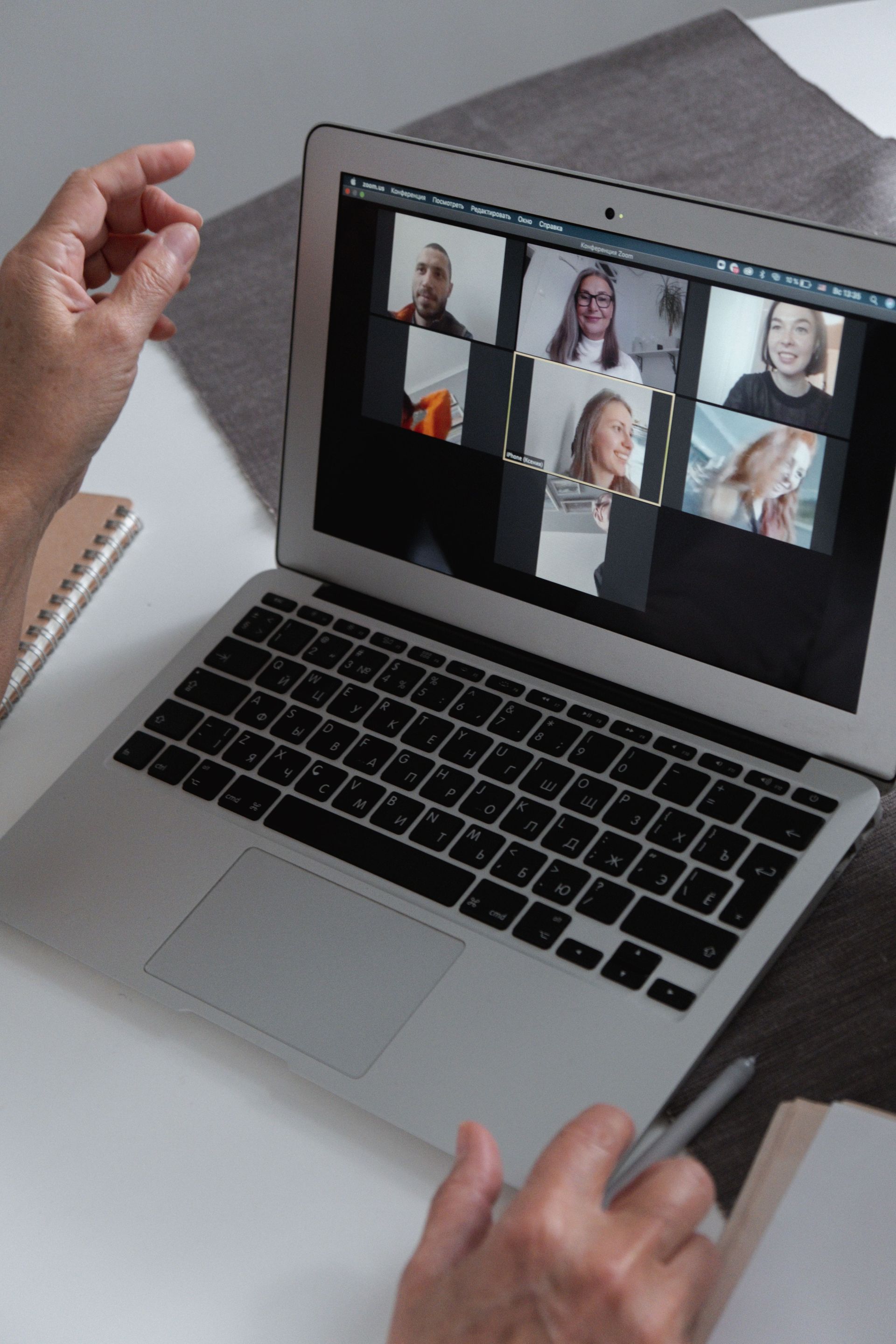
Remote collaboration can be relevant across many business environments.
Law firms and accounting firms may need remote client conversations. Insurance agencies may communicate with customers or internal teams across locations. Construction companies may need discussions involving office and project personnel. Property management companies may coordinate with different stakeholders.
Dealerships, hotels, restaurants, retail businesses, medical offices, healthcare organizations, and call centers can have their own communication requirements.
M-Tech Digital provides dedicated VoIP solutions for these industries while offering video conferencing as part of its broader communications portfolio.
The right mix of communication channels depends on how each organization operates.
Frequently Asked Questions
What is business video conferencing?
Business video conferencing allows participants in different locations to communicate in the same meeting using video and audio.
Is video conferencing only for remote employees?
No. Businesses can also use video conferencing for customer meetings, partner discussions, consultations, internal collaboration, and other remote conversations.
Can video conferencing work alongside Business VoIP?
Video conferencing and Business VoIP can support different communication needs within a broader business communications environment.
Does every business meeting need video?
No. Some interactions may be better suited to voice calls, SMS, or other channels. Video is most useful when visual interaction or a shared remote meeting adds value to the conversation.
How should we evaluate a video conferencing solution?
Consider who needs to participate, your common meeting types, how frequently video is needed, and how conferencing fits with your existing communications environment.
Where does M-Tech Digital provide Video Conferencing services?
We serve businesses nationwide, with current priority service areas in New York, California, New Jersey, Illinois, Wisconsin, and Florida.
Bring Your Business Conversations Together
Video conferencing can give your employees, customers, and partners another way to communicate when participants are working from different locations.
M-Tech Digital can help you explore Video Conferencing as part of your broader business communications environment. Our team is available 24/7 to discuss your requirements.